Blue Origin
Blue Origin Plans Major Florida Expansion to Support Multiple New Glenn Launches Per Week
The company is investing in additional launch pads, expanded rocket manufacturing, and new offshore landing platforms as it works to increase its launch capacity on Florida's Space Coast.
CAPE CANAVERAL, Fla. — Blue Origin has outlined an extensive expansion of its Florida manufacturing and launch infrastructure, including additional launch pads at Cape Canaveral Space Force Station, a $330 million rocket manufacturing expansion, and two new offshore landing platforms. The company says the investments are intended to support multiple New Glenn missions per week by the end of the decade.
The plans, announced October 16, represent a major effort to increase production and launch capacity for the company's heavy-lift New Glenn rocket. Blue Origin has invested more than $3 billion across Florida, where its operations now include more than 20 facilities and over 5,000 employees in Brevard and Orange counties.
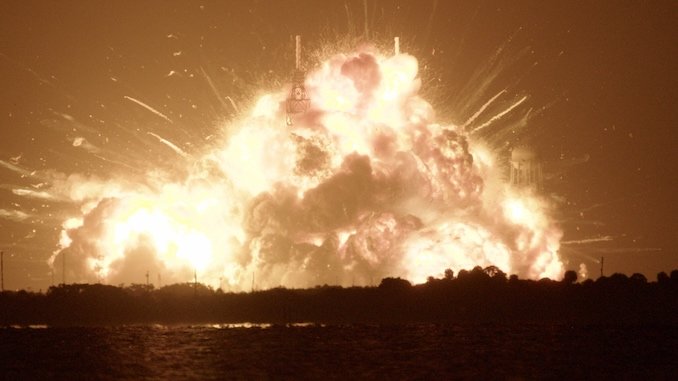
The expansion comes as Blue Origin works to restore its New Glenn launch operations following a ground-testing accident at Launch Complex 36 earlier this year.
Expanding New Glenn Manufacturing
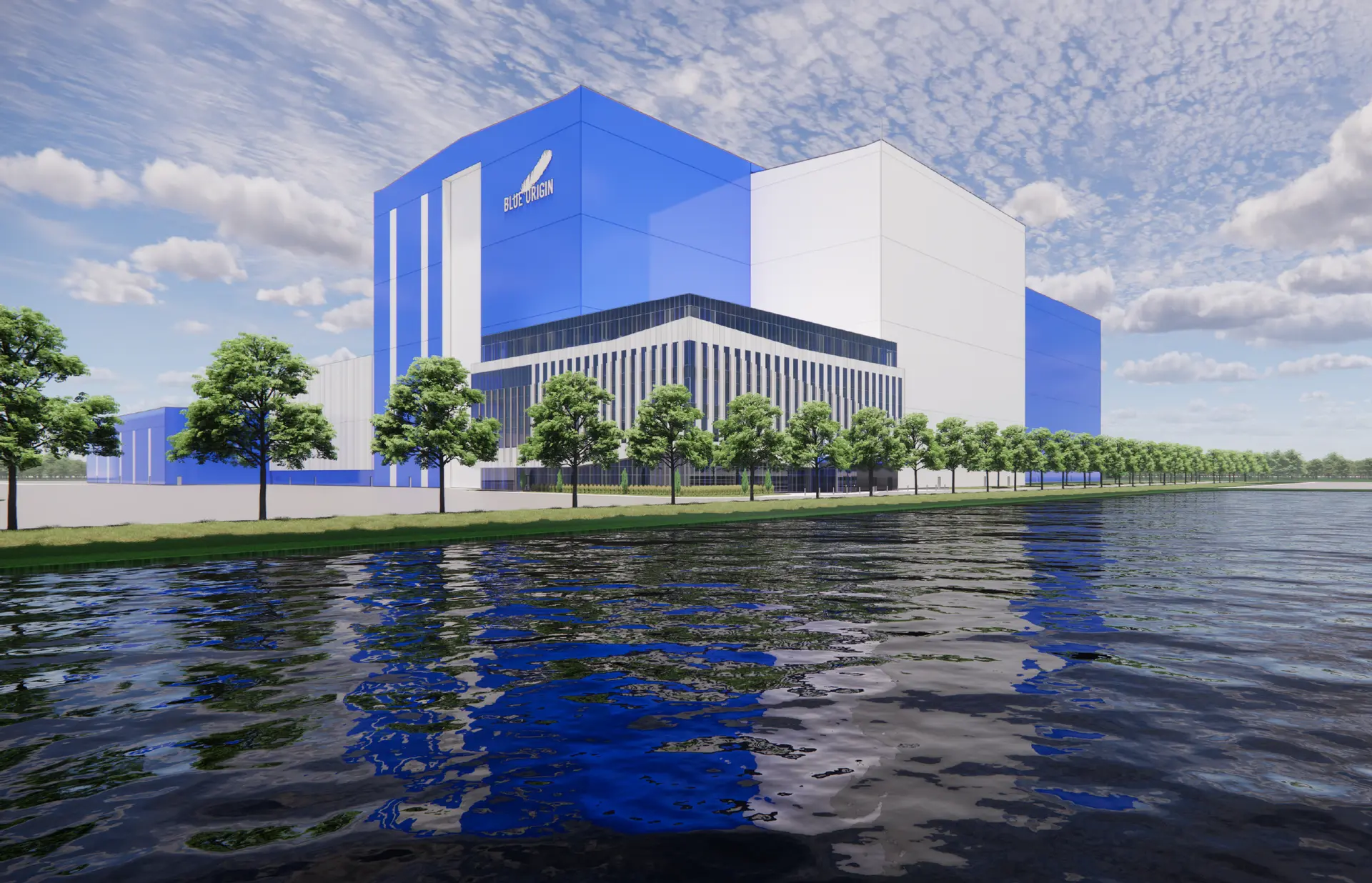
A central component of the plan is a $330 million expansion at Blue Origin's Rocket Park manufacturing campus near NASA's Kennedy Space Center.
The 1.37-million-square-foot campus is being expanded to support production of upper stages for the larger New Glenn 9x4 configuration. Blue Origin expects the new facility to be completed by summer 2027, with the capacity to manufacture up to 150 upper stages annually.
The expansion will incorporate automated machining, welding, material handling, and inspection systems designed to increase production consistency while reducing manufacturing bottlenecks.
Additional improvements to fairing preparation, chemical processing, storage, and tooling are intended to allow rocket components to move more efficiently through the production process.
Additional Launch Pads Planned at Cape Canaveral
Blue Origin is also expanding its launch infrastructure at Cape Canaveral Space Force Station.
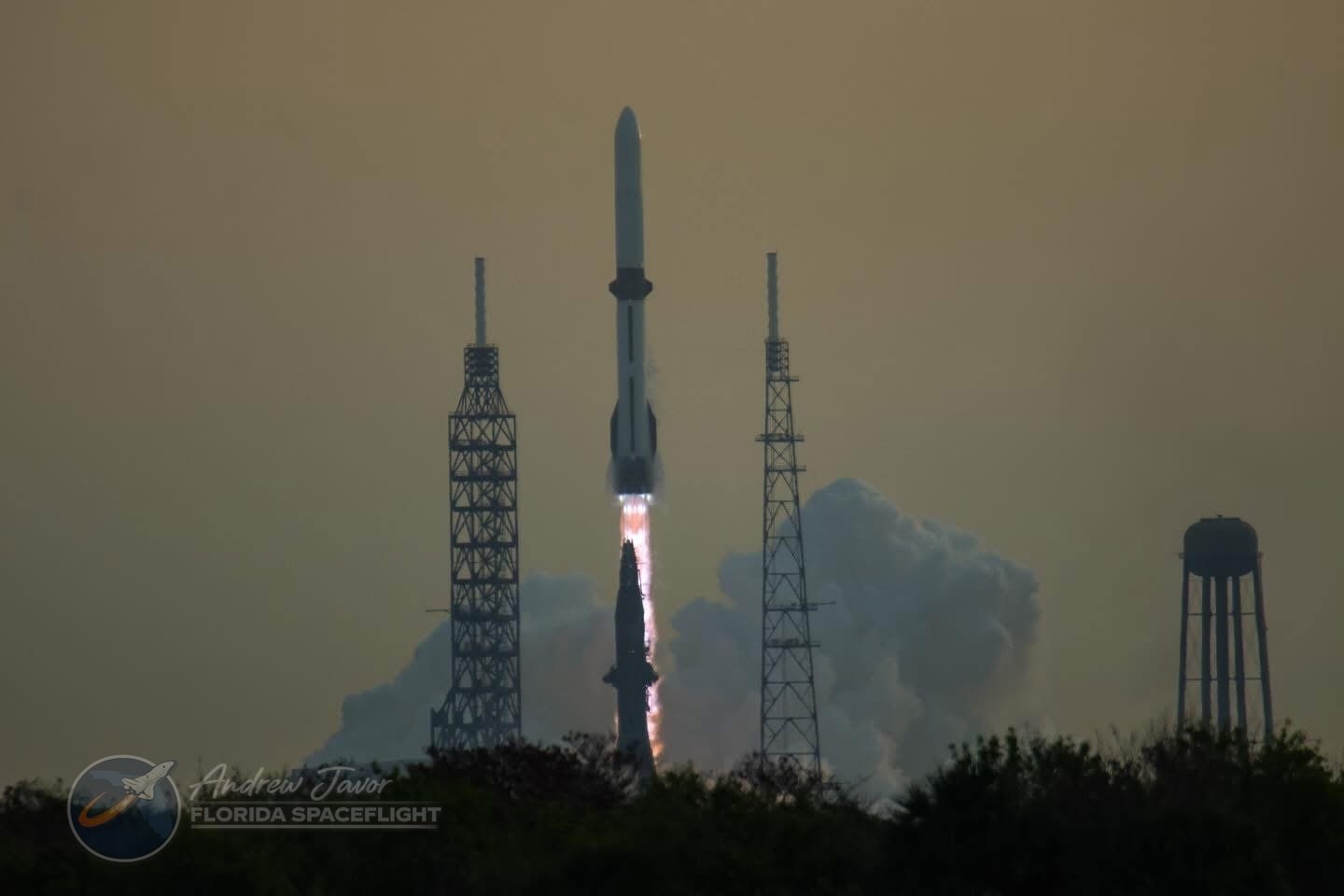
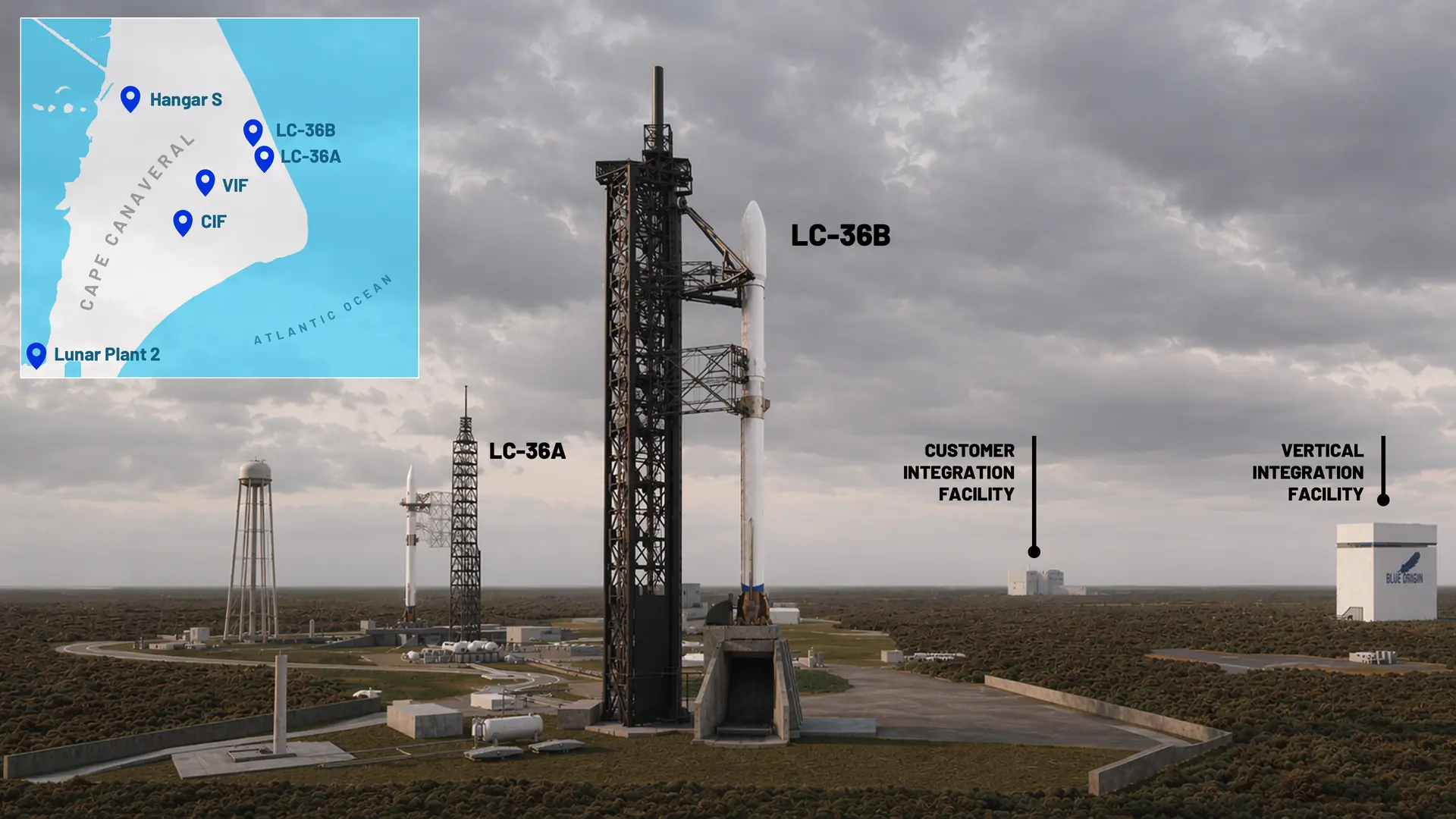
Launch Complex 36A, which supports the original New Glenn 7x2 configuration, is undergoing restoration following a May 2026 accident involving a New Glenn rocket during ground testing.
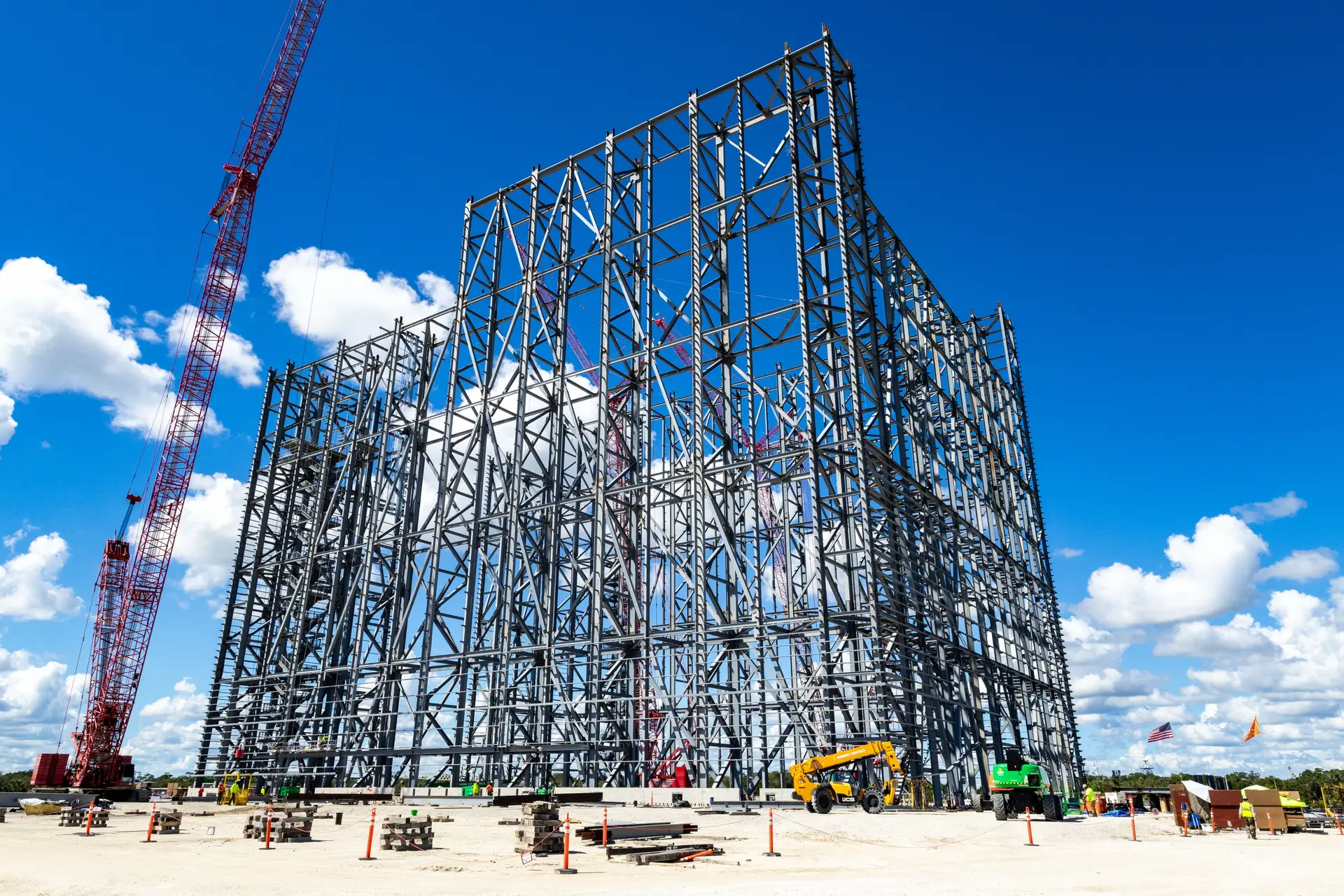
Construction is already underway on Launch Complex 36B, which will support the company's larger New Glenn 9x4 rocket.
Beyond those two facilities, Blue Origin intends to construct additional New Glenn launch pads along Florida's Space Coast. The company has not publicly established final locations or construction schedules for the additional pads.
Blue Origin has also requested regulatory approval to increase its permitted launch cadence at Launch Complex 36 from 12 to 50 launches annually.
That request is undergoing federal environmental review. Approval would expand the number of launches authorized at the complex but would not guarantee that Blue Origin can immediately achieve the proposed flight rate.
The additional launch pads are intended to provide greater scheduling flexibility and reduce the impact of maintenance or unexpected equipment problems at any single launch site.
New Facilities to Support Simultaneous Missions
Increasing the number of available launch pads is only part of Blue Origin's strategy.
The company is constructing a customer integration facility in partnership with the United States Space Force. The complex will include four payload processing bays, two encapsulation bays, and an area dedicated to preparing multiple payloads for launch.
The facility is designed to support both New Glenn configurations, including missions involving national security payloads.
A separate vertical integration facility is also under construction to accommodate the larger New Glenn 9x4 vehicle and support booster processing operations.
Together, the facilities are intended to allow Blue Origin to prepare multiple rockets and customer payloads simultaneously instead of completing each mission's preparations sequentially.
Expanding Booster Recovery Operations
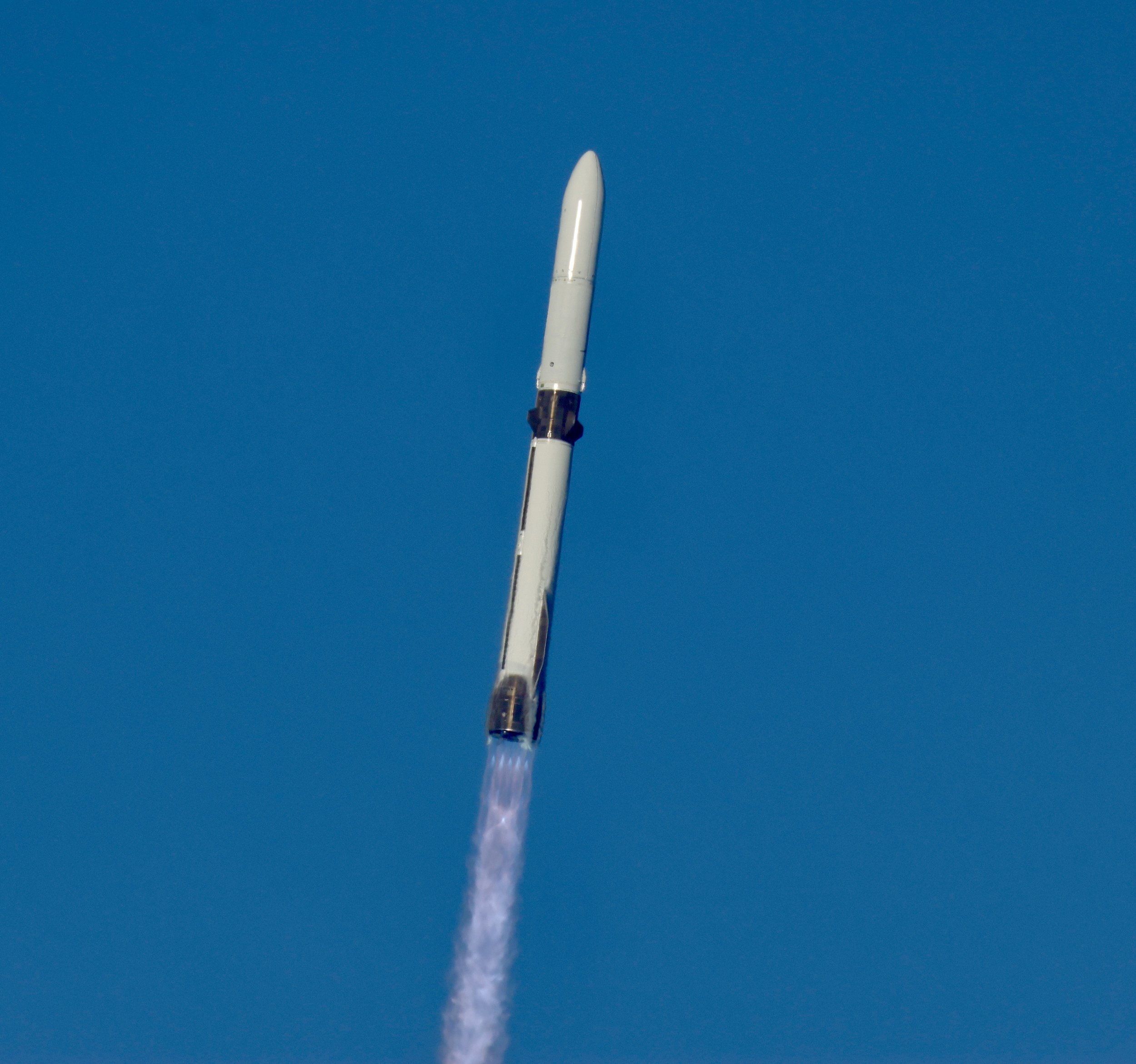
Blue Origin is also increasing its offshore recovery capabilities for New Glenn's reusable first stage.
The company's existing landing platform, Jacklyn, operates from Port Canaveral and is designed to recover New Glenn boosters following launch.
Blue Origin says work is underway on two additional landing platforms, which would expand the company's ability to support consecutive missions without depending on a single recovery vessel.
Recovered boosters will be transported back to Cape Canaveral, where teams can conduct inspections, refurbishment, and preparations for future flights.
Developing an efficient recovery and refurbishment process will be essential if Blue Origin intends to achieve the higher launch cadence outlined in its expansion plans.
Florida's Growing Role in Commercial Spaceflight
Blue Origin's investments extend beyond Cape Canaveral and Kennedy Space Center.
Facilities in Cocoa and Melbourne support fabrication, tooling, and thermal protection system development, while operations in Orlando and Titusville handle logistics and materials.
The company also works with approximately 500 Florida suppliers, supporting a broader industrial network tied to launch operations, manufacturing, and space exploration.
The infrastructure expansion could strengthen Florida's position as a major center for commercial launch activity as demand grows for satellite deployment, national security missions, and government space transportation.
However, Blue Origin must first return New Glenn to regular flight operations and demonstrate that its manufacturing, launch, and recovery systems can support an increasing mission schedule.
The next significant milestones will include continued reconstruction at Launch Complex 36A, progress on the new 9x4 facilities, and completion of the expanded upper-stage manufacturing capacity planned for 2027.
If those efforts proceed as intended, Blue Origin expects its Florida operations to support multiple New Glenn launches per week before the end of the decade.