Artemis Program
NASA Outlines Accelerated Artemis Plans, Targets Summer 2027 Mission and 2028 Moon Landing
NASA detailed an ambitious orbital test campaign involving Orion, SpaceX Starship, and Blue Origin's Blue Moon lander as teams at Kennedy Space Center accelerate preparations for the next two Artemis missions.
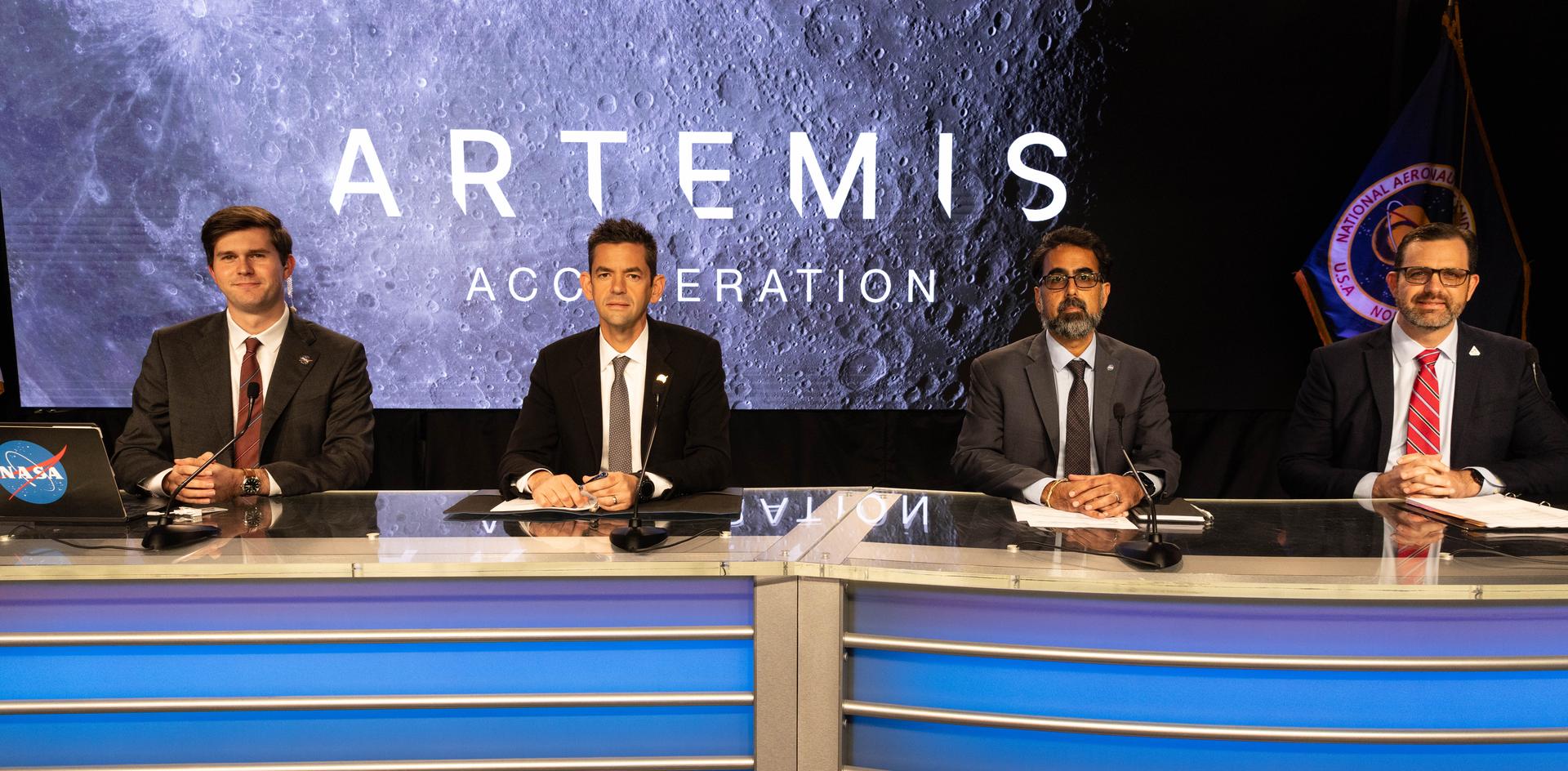
KENNEDY SPACE CENTER, Fla. — NASA outlined its updated plans for returning astronauts to the lunar surface during an Artemis Acceleration press conference Friday, providing new details about the upcoming Artemis III mission, progress on rocket assembly in Florida, and revised mission architectures intended to support a crewed Moon landing in 2028.
NASA Administrator Jared Isaacman, Associate Administrator Amit Kshatriya, and Artemis Program Manager Jeremy Parsons addressed reporters at Kennedy Space Center, where preparations are underway for Artemis III, currently targeted for summer 2027.
The mission will send four astronauts into low Earth orbit to test docking operations with lunar lander vehicles developed by SpaceX and Blue Origin, providing critical experience before NASA attempts another crewed lunar landing.
Artemis III Will Test Two Lunar Landing Systems
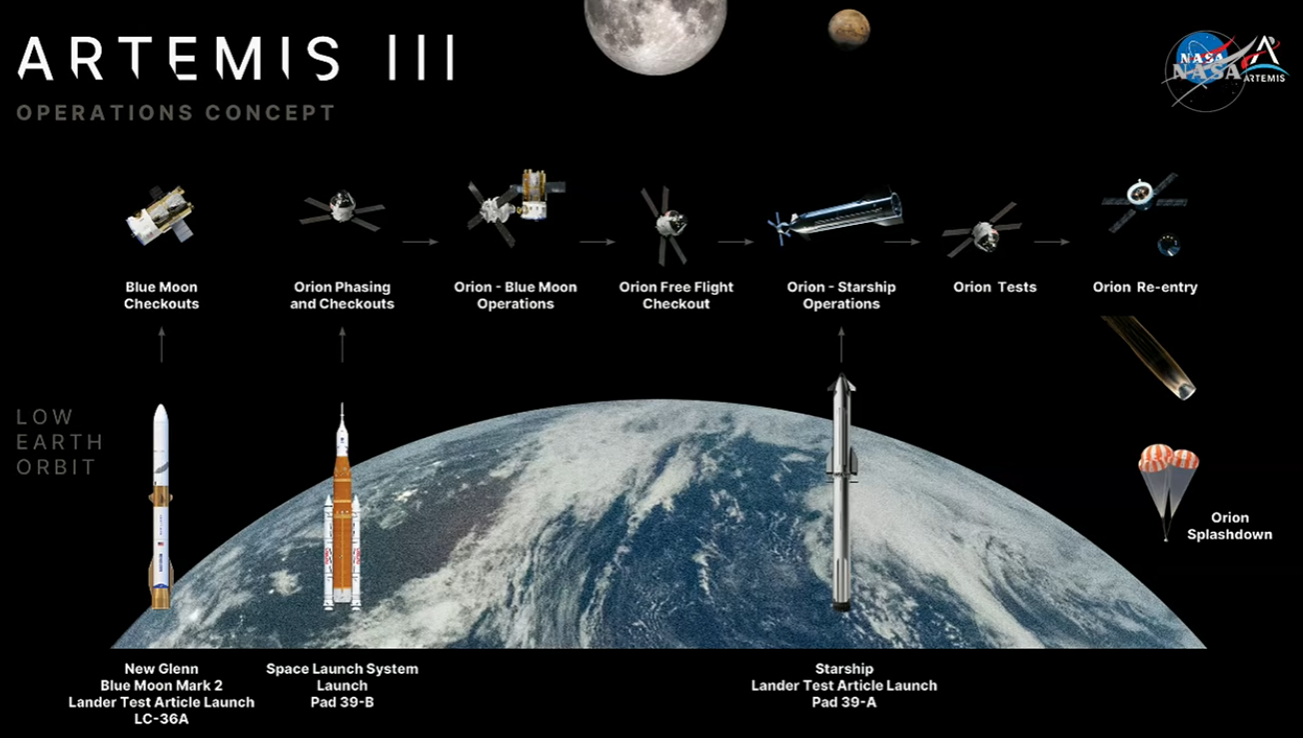
NASA has established a baseline 14-day mission for Artemis III, with the ability to extend operations to 17 days.
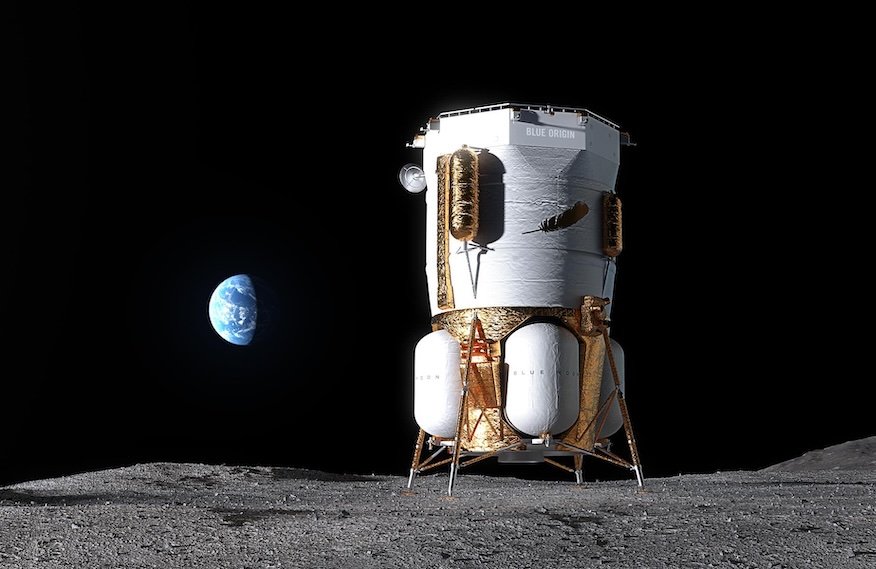
The flight will begin with Blue Origin launching a test version of its Blue Moon Mark 2 lunar lander aboard New Glenn. NASA will then launch four astronauts aboard Orion using the Space Launch System rocket.
Orion is expected to rendezvous and dock with Blue Moon on flight day three. Astronauts will enter the lander and spend approximately two days evaluating life-support equipment, environmental controls, spacecraft systems, and emergency procedures.
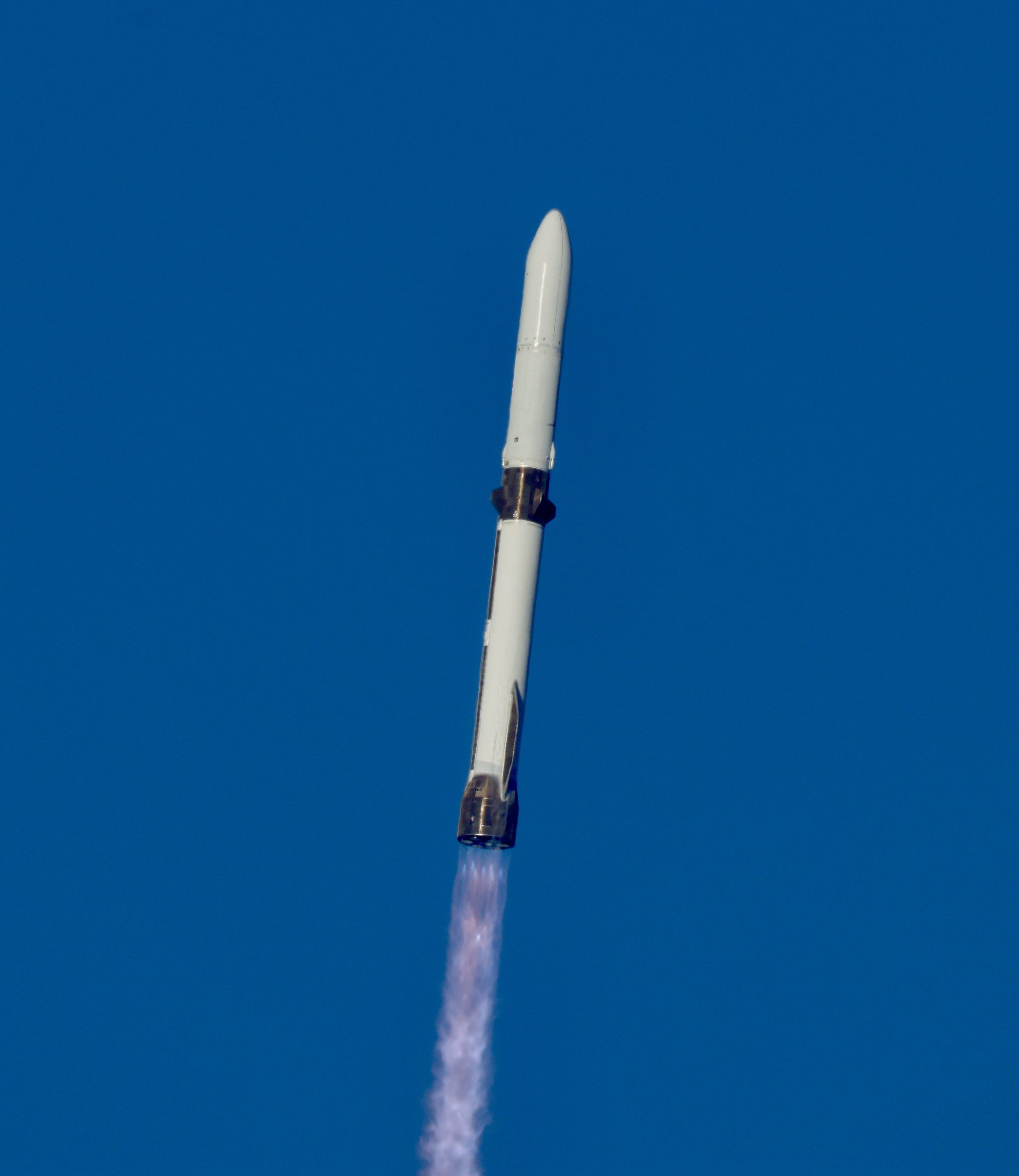
Following those operations, SpaceX will launch a modified Starship vehicle from Florida.
Orion will separate from Blue Moon and prepare for a second docking demonstration, currently scheduled for flight day eight.
Unlike the Blue Moon demonstration, astronauts will not enter Starship. The approximately two-hour test will focus on docking dynamics, spacecraft control, and the compatibility of the two vehicles.
The mission will also include scientific investigations, astronaut survival suit evaluations, and additional Orion systems testing.
Artemis III Rocket Assembly Advances in Florida
NASA provided a live look inside Kennedy Space Center's Vehicle Assembly Building, where technicians are preparing the Artemis III SLS core stage for integration with its solid rocket boosters.
Both boosters completed stacking earlier this fall. The core stage is undergoing weighing and handling operations before being raised into position for final integration.
NASA plans to roll the partially assembled rocket to Launch Complex 39B for a propellant loading test before the end of 2026.
The test will use a configuration without Orion or the rocket's upper stage, allowing engineers to evaluate new ground support equipment intended to address hydrogen leaks encountered during previous Artemis launch campaigns.
Parsons said improvements to processing procedures and increased engineering involvement have reduced certain hardware processing times and accelerated issue resolution.
Orion's crew and service modules are already joined, with more than 95% of spacecraft hardware integration complete.
NASA Revises Plans for 2028 Lunar Landing
NASA is also modifying the Artemis IV mission architecture to provide greater flexibility for its lunar landing partners.
The agency is evaluating approaches that would allow Orion to rendezvous with a lander in a different orbit rather than requiring both spacecraft to meet in the previously planned near-rectilinear halo orbit around the Moon.
One proposed Starship architecture would involve the lander docking with Orion in high Earth orbit before transporting the combined spacecraft toward the Moon.
Blue Origin's alternative would use multiple transfer stages to position its Mark 2 lander in lunar orbit before receiving astronauts from Orion.
NASA is also working with Axiom Space on a lighter lunar spacesuit configuration, reducing the planned suit mass from more than 500 pounds to approximately 250 pounds for early surface missions.
The agency is preserving options for both lander providers and intends to make a final selection for the first crewed landing based on demonstrated readiness.
Commercial Partners Face Critical Tests
SpaceX is targeting an orbital propellant transfer demonstration in early 2027 involving Starship vehicles launched from Texas and Florida. An uncrewed lunar landing demonstration is planned for late 2027.
Blue Origin continues preparing New Glenn for its return to flight while developing the Blue Moon lander and supporting transfer stages.
NASA officials emphasized that the accelerated schedule does not eliminate the significant technical challenges remaining.
"We will never launch until we are ready," Isaacman said.
The coming months will bring major milestones at Kennedy Space Center, including Artemis III rocket integration, propellant testing, and preparations for Starship operations in Florida.
NASA continues to target 2028 for the first Artemis crewed lunar landing, with the longer-term objective of establishing a sustained human presence near the Moon's south pole.