ULA
ULA’s Vulcan fails to reach orbit with 40 Amazon satellites on return to flight
ULA reported an anomaly 10 minutes after liftoff from Cape Canaveral. The company has yet to identify the cause.
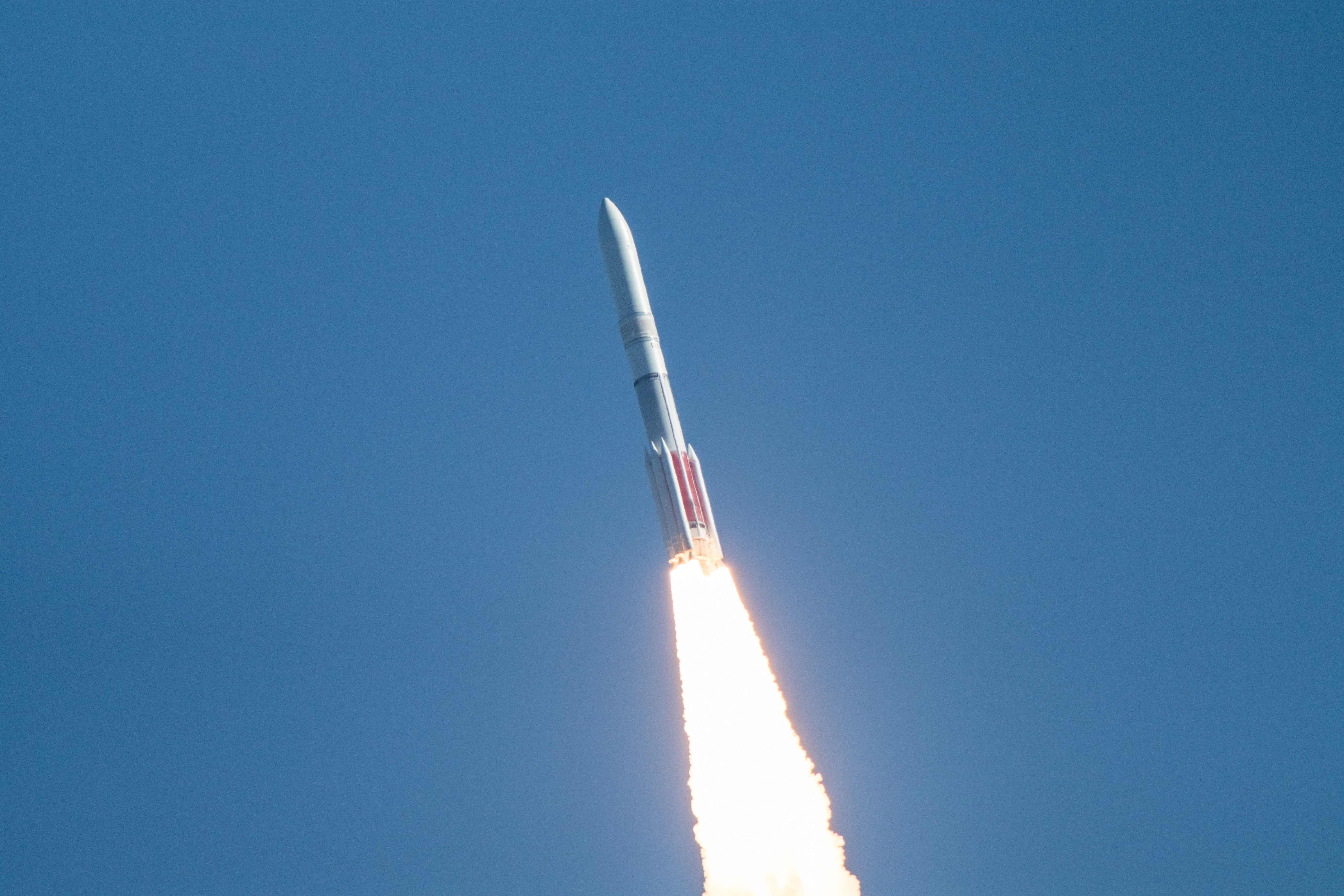
CAPE CANAVERAL, Fla. — United Launch Alliance’s Vulcan rocket failed to deliver 40 Amazon internet satellites to orbit Sunday on its first flight in nine months. The rocket lifted off at 12:40 p.m. EST from Space Launch Complex 41 at Cape Canaveral Space Force Station. ULA said its launch director received data showing an anomaly 10 minutes into the flight.
The loss was the first outright mission failure for ULA since Boeing and Lockheed Martin formed the company in 2006, according to Spaceflight Now. For Amazon, it meant losing the largest group of satellites it had launched together for its Leo broadband network. ULA had flown eight successful deployment missions for Amazon on Atlas V. Sunday’s launch, Leo Vulcan 1, was the first of 38 Vulcan flights Amazon booked.
What happened during ascent
Controllers stopped Sunday’s countdown with 20 seconds remaining, then cleared Vulcan to launch at the end of its window. Spaceflight Now reported that all six solid rocket boosters appeared to perform normally and fell away about a minute and a half after liftoff. The first stage’s two BE-4 engines appeared to burn longer than ULA’s published timeline called for, and the stages appeared to separate late.
After separation, the Centaur V upper stage began its first engine burn. Spaceflight Now reported that an animation driven by flight data showed Centaur making unusual changes in orientation early in the burn. ULA ended its webcast before confirming whether Centaur had completed the firing. Under the flight plan, the first satellites would have separated about 70 minutes after liftoff.
ULA confirmed the loss about 50 minutes after launch. Its statement placed the anomaly at T+10 minutes but did not identify which system failed. The company said it would work with Amazon and other organizations to determine the cause and what needs to change before Vulcan flies again.
Vulcan’s first flight since February
Vulcan last flew in February, when it delivered U.S. Space Force payloads to orbit despite a problem with a solid rocket booster nozzle. Ahead of Sunday’s flight, ULA and booster manufacturer Northrop Grumman tested a full-size motor in Utah and changed both the nozzle design and the way it was manufactured.
Sunday’s rocket was the first Vulcan to fly with six solid boosters. It also carried a shorter version of Centaur V designed to lift more satellites to low Earth orbit.
Before launch, Amazon said it expected its second Vulcan mission to follow within weeks. ULA gave no date for its next flight in Sunday’s statement.