NASA
NASA Targets December for Starliner Return, Names Woody Hoburg to Command 2028 Crew Flight
NASA and Boeing outlined Starliner’s return-to-flight plan, including propulsion fixes, spacecraft upgrades and a future transition from Atlas V to Vulcan Centaur.
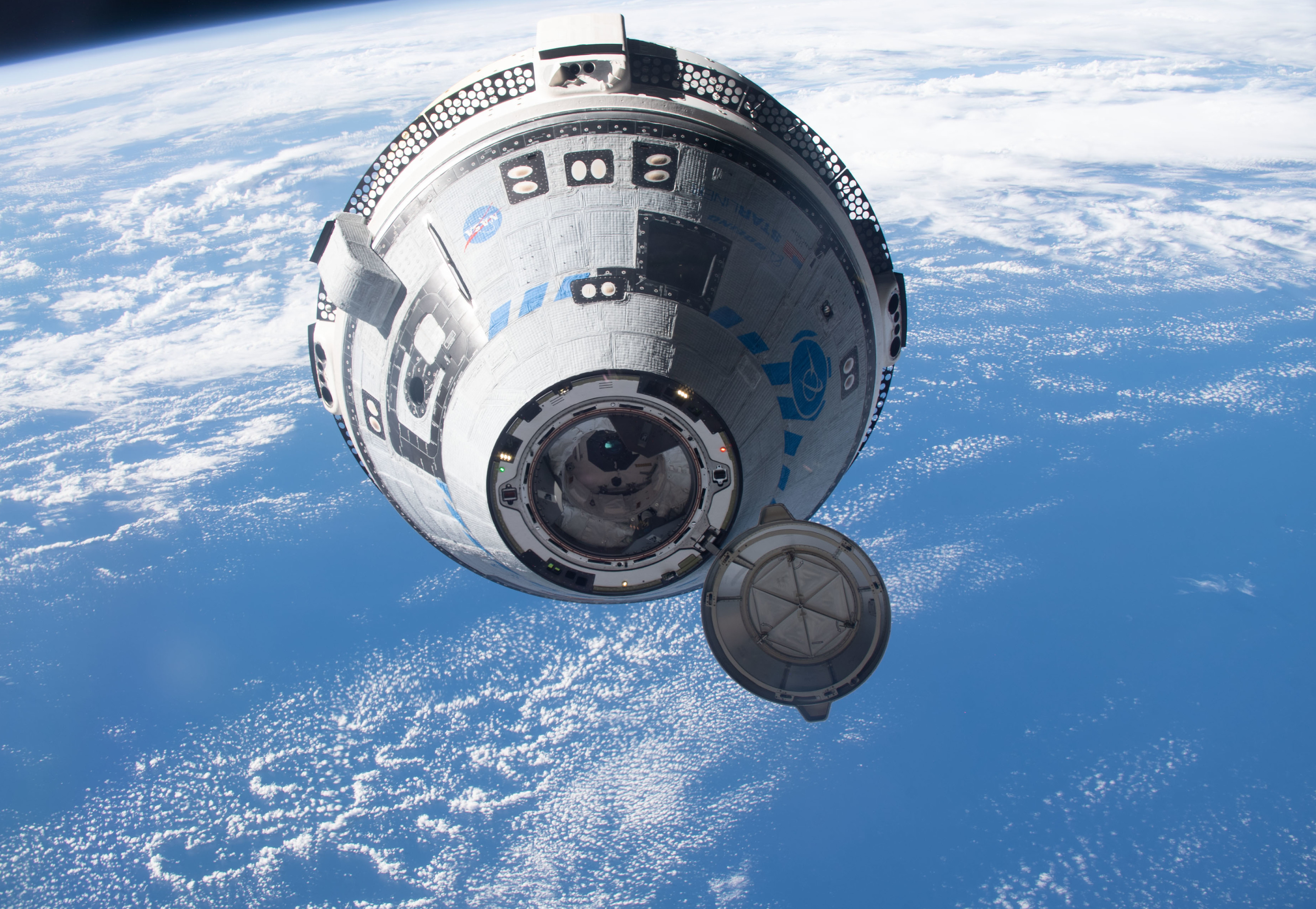
CAPE CANAVERAL, Fla. — NASA and Boeing are targeting no earlier than December for the next flight of Boeing’s CST-100 Starliner spacecraft, an uncrewed mission to the International Space Station that will serve as a major test of modifications made following the spacecraft’s troubled Crew Flight Test.
NASA Administrator Jared Isaacman announced the updated return-to-flight plan during a Starliner program briefing Monday, outlining a path that could return astronauts to the spacecraft in 2028.
The upcoming Starliner-1 mission is expected to launch during the December-to-January timeframe, depending on spacecraft readiness and the International Space Station manifest. The mission will fly without astronauts and is intended to validate changes made to Starliner’s propulsion system and other spacecraft hardware.
NASA also announced that astronaut Woody Hoburg will command Starliner-2, the spacecraft’s planned return to crewed flight.
“We’re putting the program on a path to correct the key technical deficiencies and return to crewed flight as soon as we’re ready,” Hoburg said.
Hoburg previously served as pilot of NASA’s SpaceX Crew-6 mission, spending more than 185 days aboard the International Space Station and completing two spacewalks.
NASA and Boeing said investigators now have a better understanding of three major propulsion-related problems encountered during Starliner’s Crew Flight Test.
Engineers traced helium leakage in the service module to seal material that degraded following long-term exposure to nitrogen tetroxide oxidizer. Boeing has replaced the affected seals with a different material and adjusted tolerances in the system.
A separate crew module thruster problem was traced to corrosion caused by residual hydrazine propellant interacting with carbon dioxide while the spacecraft was exposed to the atmosphere.
Boeing plans to replace the affected crew module thrusters and introduce new procedures to remove residual propellant and continuously purge the thrusters with nitrogen.
Engineers also continued investigating the service module reaction control system thrusters that lost performance during the Crew Flight Test.
Testing showed that thermal and mechanical conditions could cause an internal valve component, known as a poppet, to deform. Boeing has installed thermal shunts, barriers and other modifications designed to reduce temperatures experienced by the thrusters.
According to Boeing, ground testing showed the modifications reduced thruster temperatures by approximately 100 degrees.
Starliner-1 will provide the first opportunity to evaluate those changes in the actual spaceflight environment.
“We really are going to push the thrusters on this uncrewed flight to make sure that we have solved this once and for all,” Boeing Commercial Crew Program Manager John Mulholland said.
Additional changes will be made before astronauts fly aboard Starliner again.
Those improvements include redesigned service module thruster poppets, replacement crew module thrusters, upgraded batteries, strengthened parachute seams and a higher-frequency data recorder designed to provide engineers with more detailed information about thruster performance.
Boeing said 19 of the 21 in-flight anomalies identified following the Crew Flight Test have been closed, with the remaining actions expected to close in October.
The company also said NASA has approved approximately 90 percent of Starliner’s human spaceflight certification requirements.
NASA and Boeing are also preparing for a longer-term change to the spacecraft’s launch vehicle.
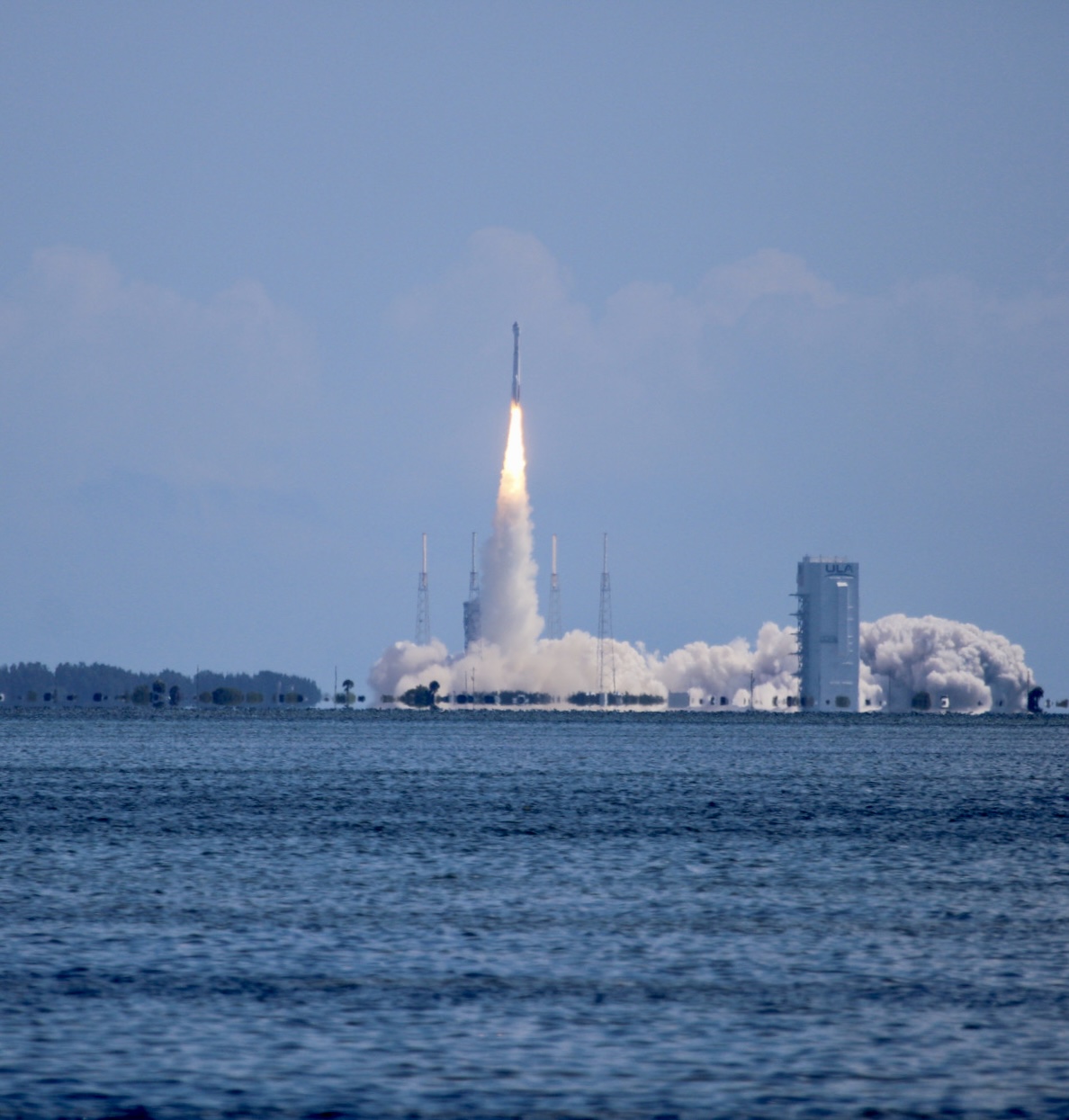
Starliner currently launches aboard United Launch Alliance’s Atlas V rocket from Space Launch Complex 41 at Cape Canaveral Space Force Station. Atlas V is no longer in production, and six rockets remain available for the Starliner program.
NASA plans to begin working with Boeing and ULA toward human-rating the Vulcan Centaur rocket for Starliner missions beyond the existing Atlas V inventory.
The proposed configuration would use Vulcan with two solid rocket boosters and a Centaur upper stage. Integration work will require a new launch vehicle adapter, aerodynamic testing and completion of NASA’s human-rating requirements.
NASA said the spacecraft upgrades and work to certify Vulcan for Starliner are valued at approximately $359 million.
Despite the program’s delays and technical problems, NASA officials emphasized that the agency remains committed to having more than one U.S. spacecraft capable of transporting astronauts to low Earth orbit.
“Commercial crew was built around competition, and NASA continues to see real value in having two crew transportation providers,” Isaacman said.
NASA currently relies on SpaceX’s Crew Dragon for regular astronaut transportation to and from the International Space Station. Starliner was originally intended to operate alongside Dragon as NASA’s second commercial crew transportation system.
Attention now turns toward Starliner-1.
If the uncrewed mission successfully demonstrates the propulsion, thermal and operational modifications, NASA and Boeing will use the flight data to complete remaining certification work and prepare Starliner-2.
Boeing said the crewed spacecraft could be ready around mid-2028, setting the stage for Hoburg and the remainder of the Starliner-2 crew to return the spacecraft to human spaceflight.