NASA
SpaceX Launches CRS-35 Mission from Cape Canaveral, Sending NASA Science and Cargo to Space Station
A Falcon 9 rocket lifted off Tuesday morning carrying more than 6,300 pounds of cargo, including new research experiments and the final pair of upgraded solar arrays for the International Space Station.
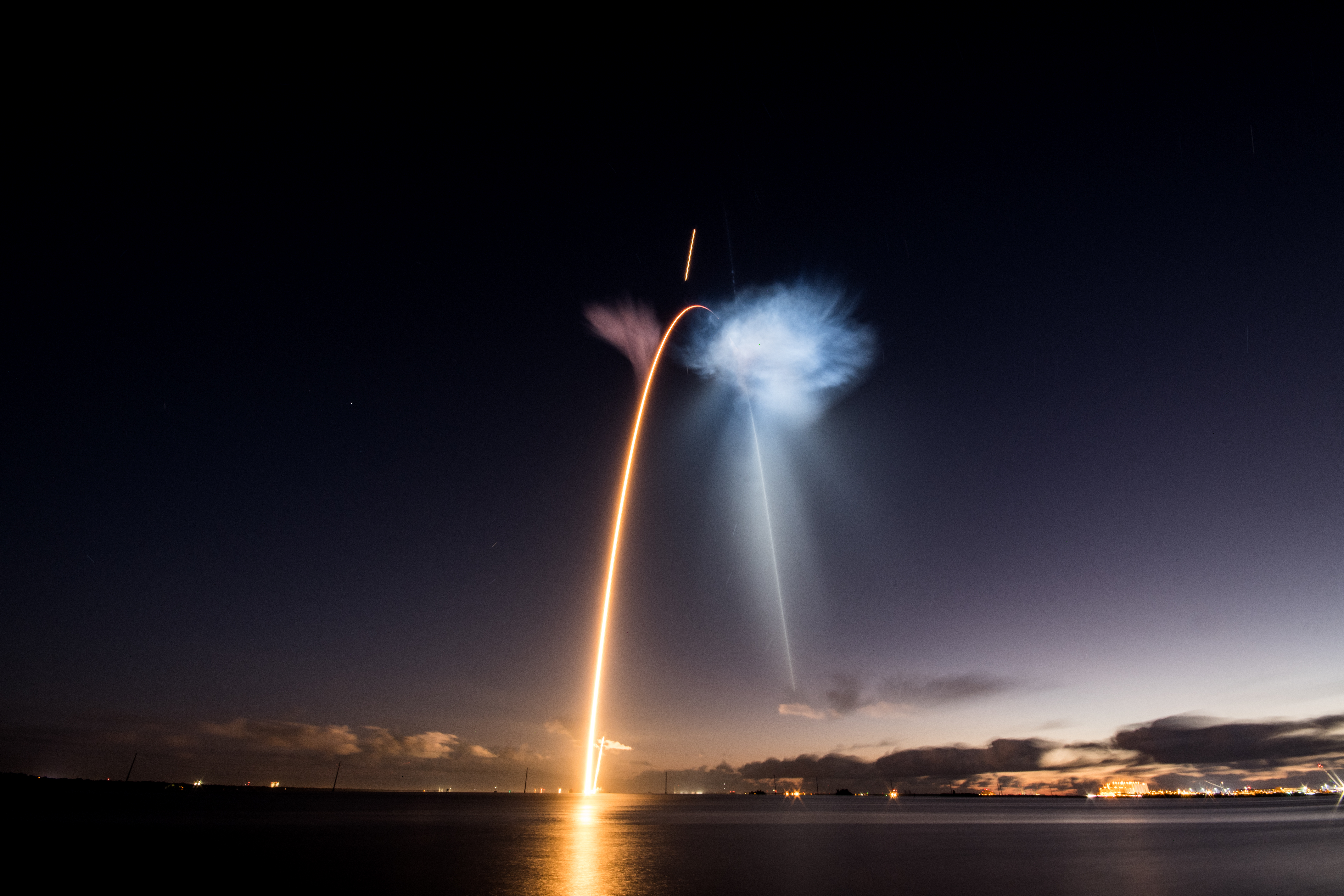
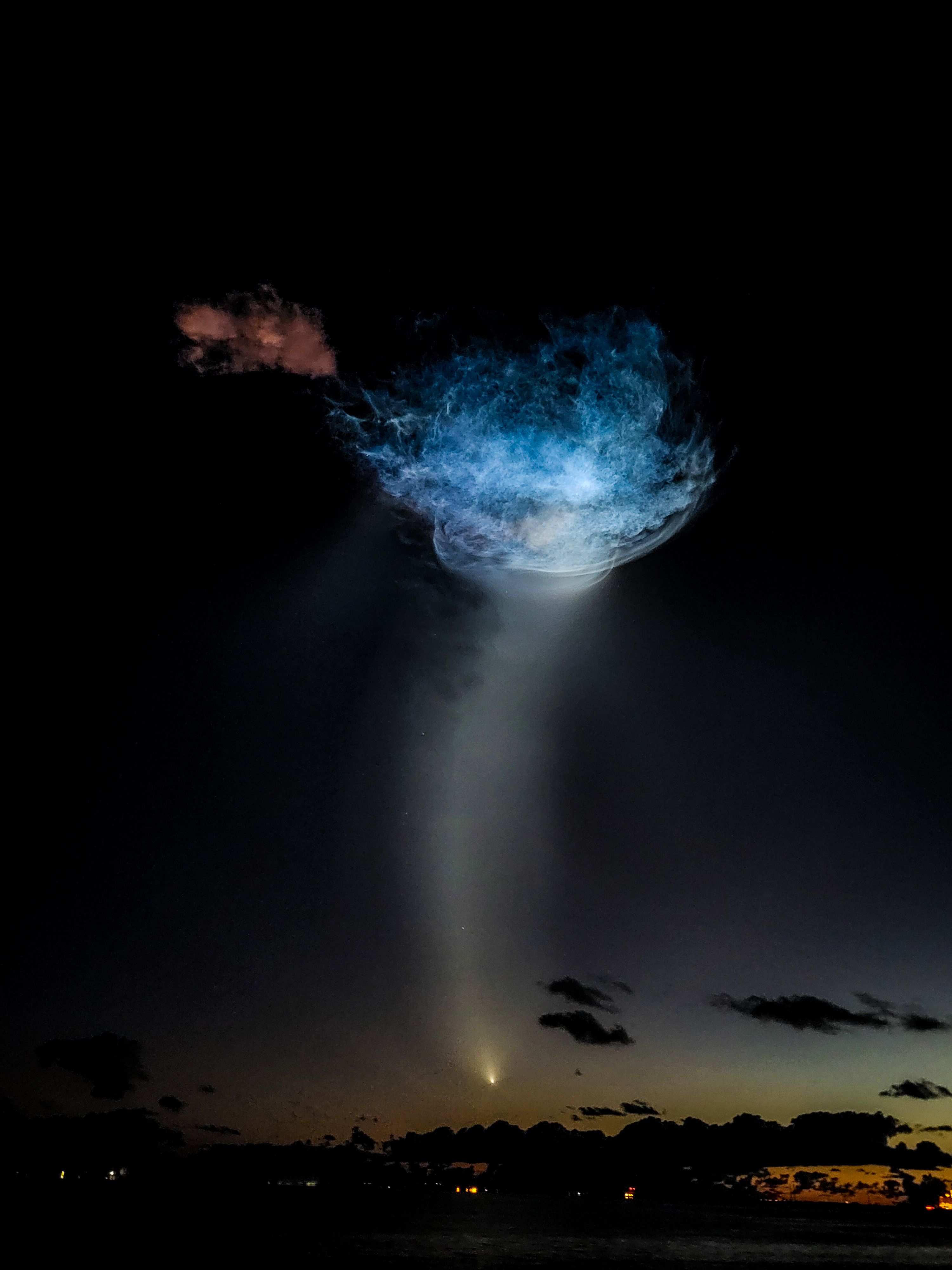
CAPE CANAVERAL, Fla. — SpaceX successfully launched its 35th Commercial Resupply Services mission for NASA early Tuesday morning, sending a Cargo Dragon spacecraft toward the International Space Station with scientific experiments, essential supplies, and hardware needed to complete a major upgrade to the orbiting laboratory's electrical power system.
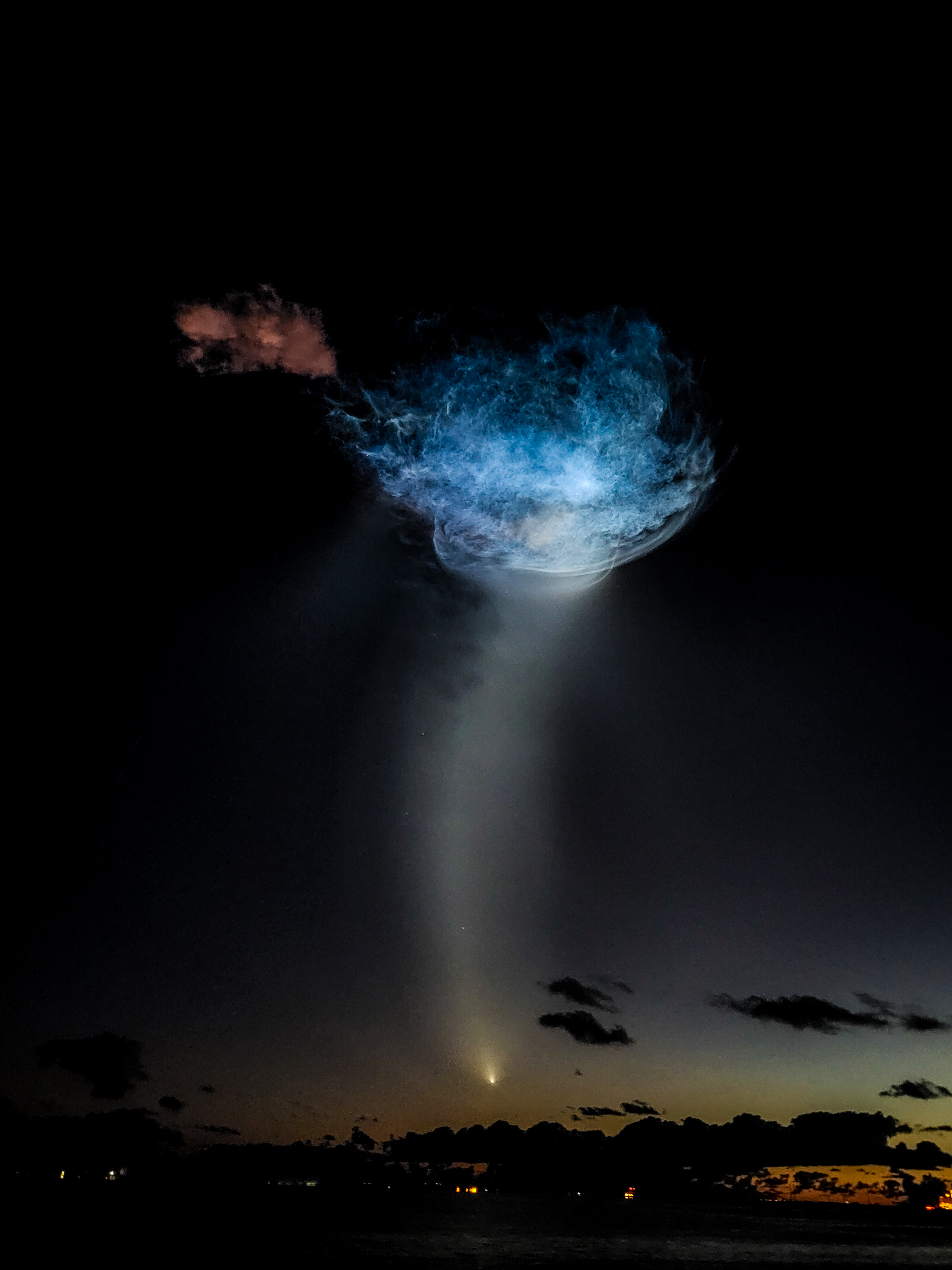
The Falcon 9 rocket lifted off at 6:33 a.m. EDT from Space Launch Complex 40 at Cape Canaveral Space Force Station in Florida, beginning a roughly 52-hour journey to the station.
Designated CRS-35, the mission is carrying more than 6,300 pounds of cargo, including investigations that could advance medical treatments on Earth and improve research capabilities for future long-duration spaceflight.
Dragon Begins Journey to the Space Station
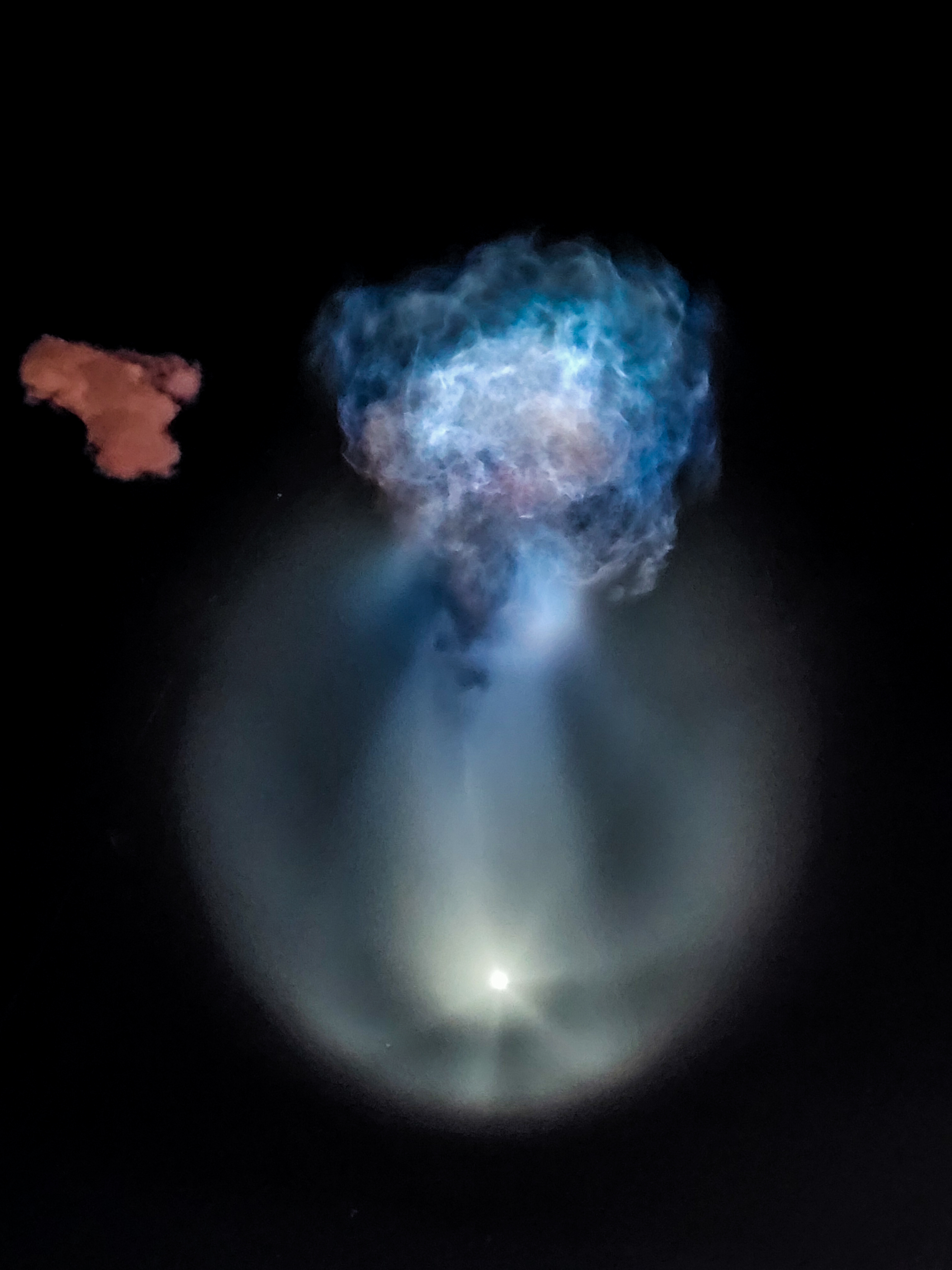
Following liftoff, Falcon 9's first stage and upper stage separated, allowing the second stage to continue accelerating Dragon toward orbit.
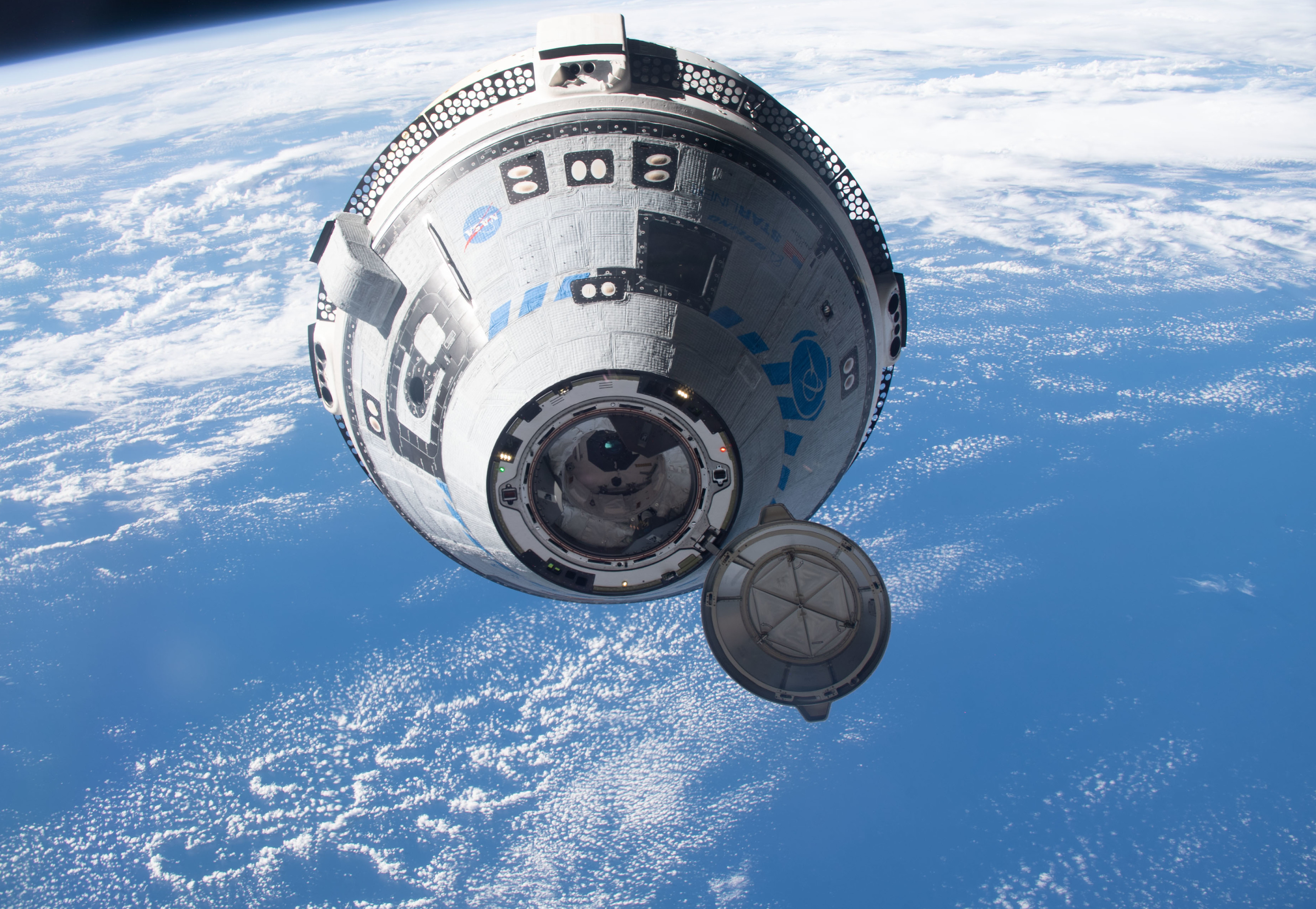
The mission uses a previously flown Cargo Dragon spacecraft making its fourth trip to the International Space Station. The capsule previously supported the CRS-26, CRS-29, and CRS-33 missions.
The Falcon 9 first-stage booster assigned to CRS-35 also made its eighth flight, continuing SpaceX's use of reusable launch vehicles for NASA's commercial cargo transportation program.
Dragon is scheduled to autonomously dock with the space-facing port of the station's Harmony module at approximately 11 a.m. EDT on Thursday, October 15.
NASA plans to begin live coverage of the spacecraft's approach and docking at 9:15 a.m. EDT.
Final Solar Arrays Head to Orbit
Among the most significant pieces of hardware aboard Dragon is the final pair of International Space Station Roll-Out Solar Arrays, commonly known as iROSAs.
The upgraded arrays are designed to supplement the station's existing solar power system, providing additional electricity for scientific research, station operations, and eventual deorbit activities.
Astronauts are expected to install the new arrays during a series of spacewalks later this fall.
The arrival of the final pair will mark an important milestone in NASA's effort to modernize the station's power-generation capabilities as the orbital laboratory continues operations.
New Experiments Target Medical Advances
CRS-35 is also delivering several investigations focused on improving medical technologies and understanding biological processes in microgravity.
One experiment will study the manufacturing of artificial retinas in space, a process researchers hope could eventually support treatments for people experiencing vision loss.
Another investigation will use three-dimensional heart tissue models to advance methods for evaluating medications and biological responses in the space environment.
Additional research includes experiments studying the formation of specialized glass in microgravity, where the absence of normal gravitational effects can influence how materials behave during production.
Scientists will also examine brain organoids, small three-dimensional models of brain tissue, to better understand biological mechanisms associated with neurological diseases such as Alzheimer's and Parkinson's.
These investigations are part of NASA's broader effort to use the International Space Station as a research platform for technologies that could benefit people on Earth while supporting future exploration beyond low Earth orbit.
Supporting Continued Station Operations
NASA's Commercial Resupply Services program provides a regular transportation system for delivering science experiments, replacement equipment, food, and other supplies to astronauts aboard the International Space Station.
Cargo Dragon also provides a critical capability that distinguishes it from some other visiting cargo vehicles: the ability to return scientific samples and hardware safely to Earth.
That capability allows researchers to recover experiments for further laboratory examination following their time in microgravity.
The CRS-35 spacecraft is expected to remain docked at the station until mid-November, when it will depart carrying time-sensitive research samples and additional return cargo.
Dragon will then conduct a controlled reentry and splash down off the coast of California.
For now, mission teams will focus on Dragon's approach and docking on Thursday, followed by cargo unloading, experiment activation, and preparations for the installation of the station's final upgraded solar arrays.