Launch News
NASA’s SpaceX Crew-13 Launches From Cape Canaveral, Arrives at Space Station
SpaceX Crew Dragon Grace carried four astronauts from Cape Canaveral to the International Space Station in less than eight hours.
CAPE CANAVERAL, Fla. — Four astronauts are settling into life aboard the International Space Station after launching from Florida on NASA’s SpaceX Crew-13 mission.
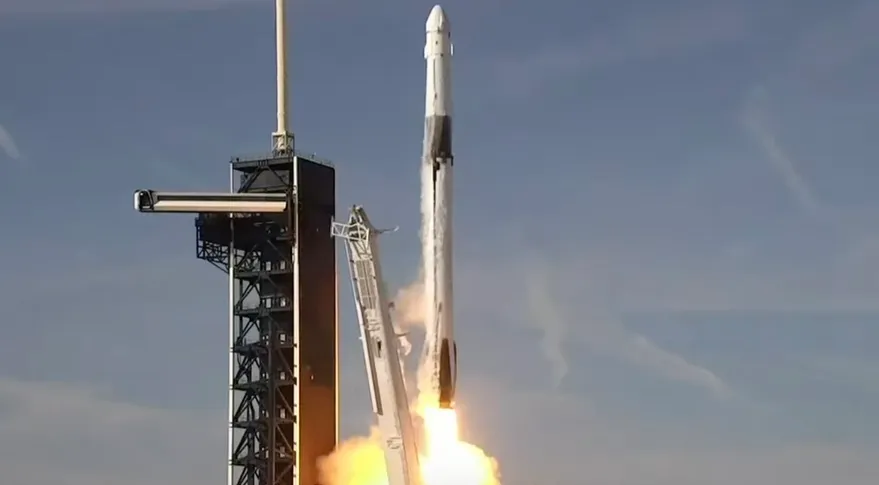
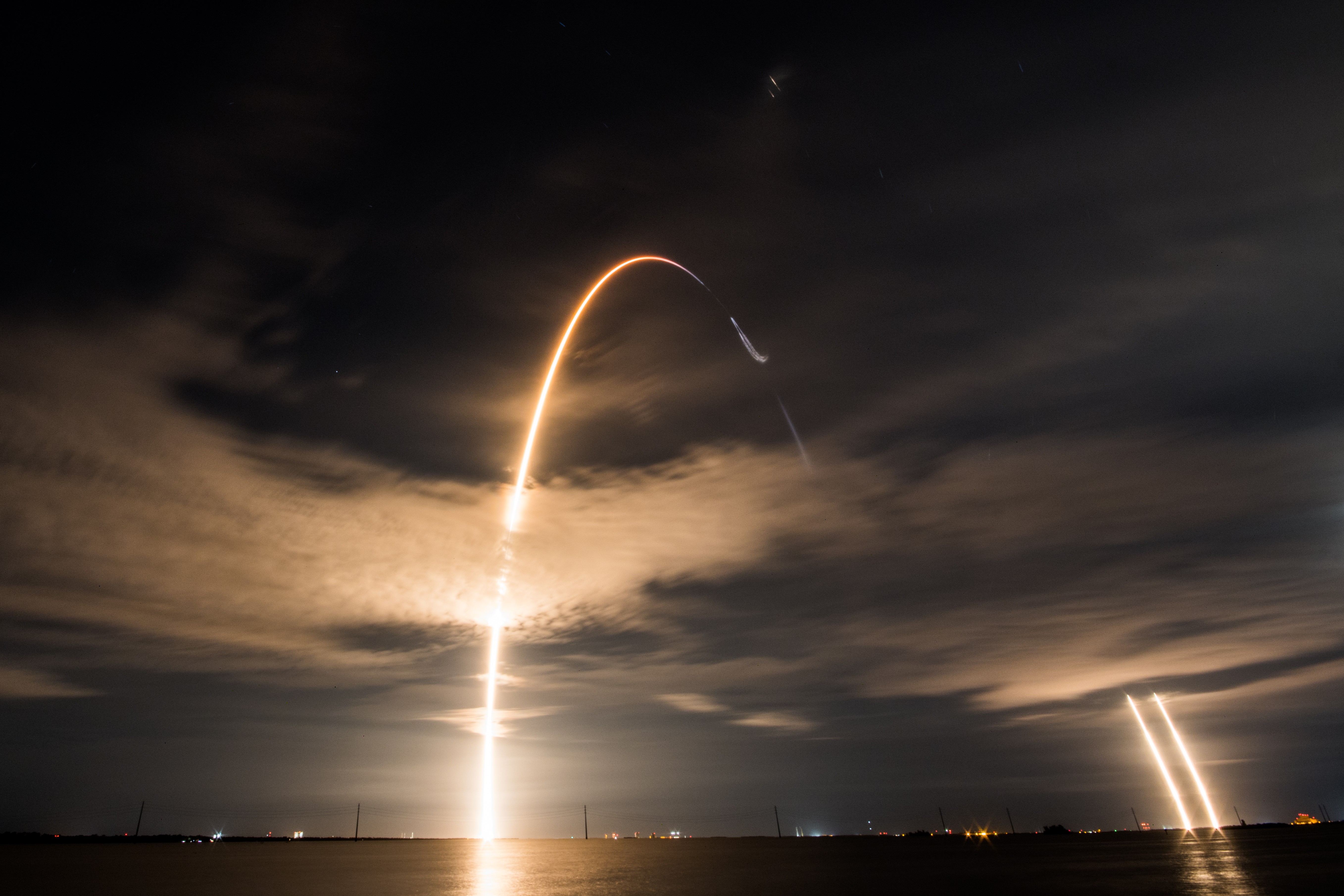
A SpaceX Falcon 9 lifted off from Space Launch Complex 40 at Cape Canaveral Space Force Station at 11:10 a.m. EDT on Oct. 1, carrying the Crew Dragon spacecraft Grace. On board were NASA astronauts Jessica Watkins and Luke Delaney, Canadian Space Agency astronaut Joshua Kutryk, and Roscosmos cosmonaut Sergey Teteryatnikov.
Dragon reached the International Space Station later that evening, docking with the forward port of the Harmony module at 7:05 p.m. EDT.
The trip from launch to docking took 7 hours and 55 minutes, marking one of the fastest crewed flights by a U.S. spacecraft to the station.
The four Crew-13 astronauts joined the Expedition 75 crew aboard the orbiting laboratory. Their arrival temporarily increased the station’s population while the outgoing Crew-12 astronauts prepared to return to Earth following a handover period.
Crew-13 is the latest operational rotation mission conducted under NASA’s Commercial Crew Program and the 13th regular crew rotation flight using SpaceX’s Falcon 9 and Dragon system.
Watkins serves as mission commander, with Delaney as pilot. Kutryk and Teteryatnikov are serving as mission specialists.
The spacecraft itself is also flight-proven. Dragon Grace previously flew to the International Space Station during Axiom Space’s Ax-4 mission.
During their long-duration stay, the Crew-13 astronauts are expected to support a wide range of scientific research and technology demonstrations aboard the station. Planned investigations include studies involving human health, biology, plant growth and the effects of long-duration exposure to microgravity.
The launch also continued the expanding role of Space Launch Complex 40 in human spaceflight.
Originally constructed for Titan rockets, SLC-40 later became one of SpaceX’s primary Falcon 9 launch sites. The company eventually added crew access infrastructure to the pad, allowing it to support astronaut missions in addition to cargo, satellite and commercial launches.
Crew-13 is expected to remain aboard the International Space Station for a long-duration expedition before returning to Earth aboard Dragon.
For Florida’s Space Coast, the mission adds another crewed launch to an increasingly busy schedule of human spaceflight missions departing from Cape Canaveral and Kennedy Space Center.
From here on out, I’ll give you the clean copy-paste article first, then put any sources in a separate Sources section underneath so they won’t end up in your newsroom copy.