Launch News
Falcon Heavy Launches First National Reconnaissance Office Mission From Kennedy Space Center
The classified NROL-97 mission lifted off from Launch Complex 39A before two Falcon Heavy side boosters returned to the Space Coast.
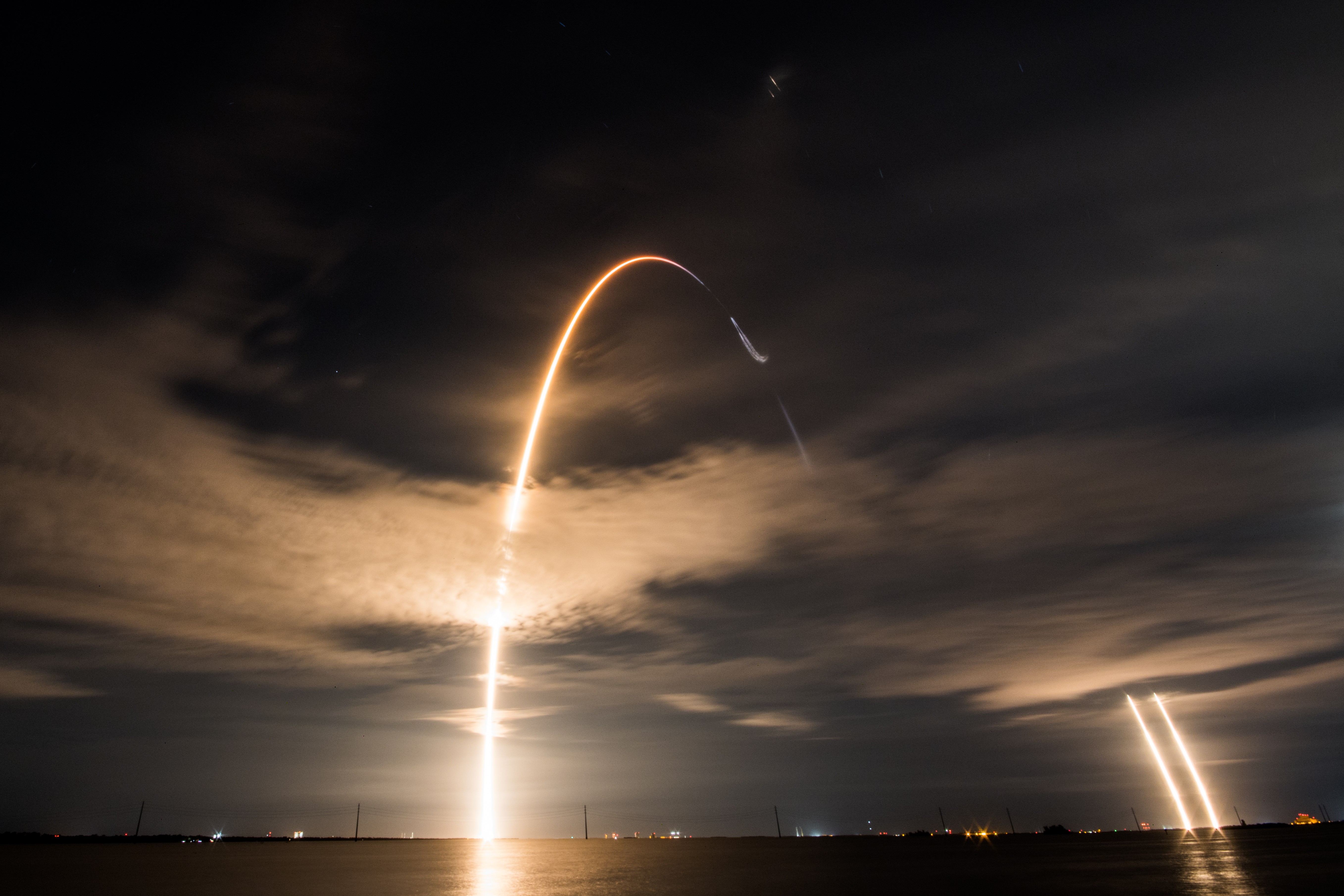
KENNEDY SPACE CENTER, Fla. — SpaceX launched a Falcon Heavy rocket from Florida late Oct. 1 carrying a classified payload for the National Reconnaissance Office, marking the first time the U.S. intelligence agency has flown a mission aboard the company’s heavy-lift rocket.
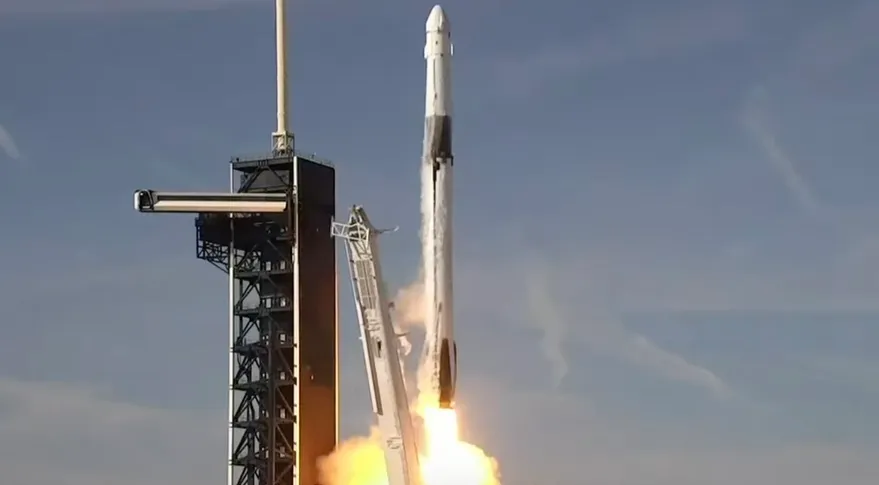
Falcon Heavy lifted off from Launch Complex 39A at NASA’s Kennedy Space Center at approximately 11:54 p.m. EDT on the NROL-97 mission.
The rocket headed northeast from Florida’s Space Coast following liftoff.
As is customary for many National Reconnaissance Office missions, details concerning the spacecraft, its intended orbit and operational mission remain classified.
What was visible, however, was Falcon Heavy’s distinctive booster recovery sequence.
Falcon Heavy consists of three modified Falcon 9 first-stage cores operating together during the initial portion of flight. After separation, the two side boosters reversed course and flew back toward Cape Canaveral Space Force Station.
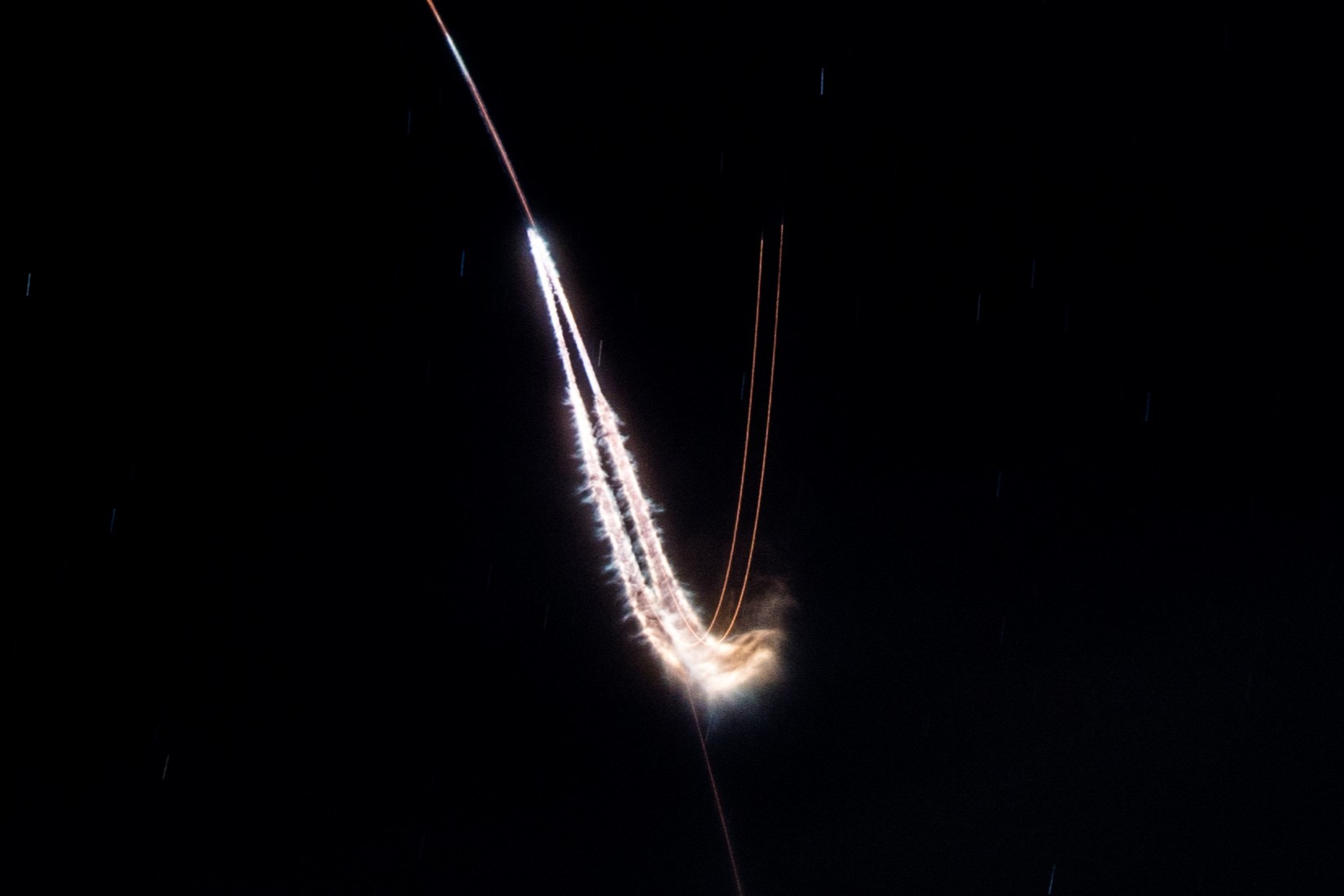
Both landed successfully at SpaceX’s Landing Zones 1 and 2, producing sonic booms across portions of Florida’s Space Coast.
SpaceX said the two side boosters used for NROL-97 had previously supported missions including GOES-U, Viasat-3 F3 and NASA’s Nancy Grace Roman Space Telescope launch.
The center core was expended.
NROL-97 was notable because the National Reconnaissance Office had previously used Falcon 9 for numerous missions but had not flown a payload aboard Falcon Heavy.
The launch also capped an unusually busy day for SpaceX. Earlier on Oct. 1, a Falcon 9 launched NASA’s Crew-13 mission from nearby Space Launch Complex 40 at Cape Canaveral Space Force Station.
Falcon Heavy debuted from LC-39A in February 2018. The vehicle combines three Falcon 9-derived first stages and is used for missions requiring greater payload performance or higher-energy trajectories than a standard Falcon 9 can provide.
Its Florida launch history has included commercial communications spacecraft, NASA payloads and national security missions.
NROL-97 further expands Falcon Heavy’s role in U.S. government launch operations while demonstrating continued use of Launch Complex 39A for missions ranging from commercial satellites and NASA spacecraft to classified national security payloads.
With the mission complete, SpaceX will continue preparing Kennedy’s historic pad for upcoming Falcon Heavy, Falcon 9 and Dragon operations while work also progresses on infrastructure intended to eventually support Starship at the launch complex.